

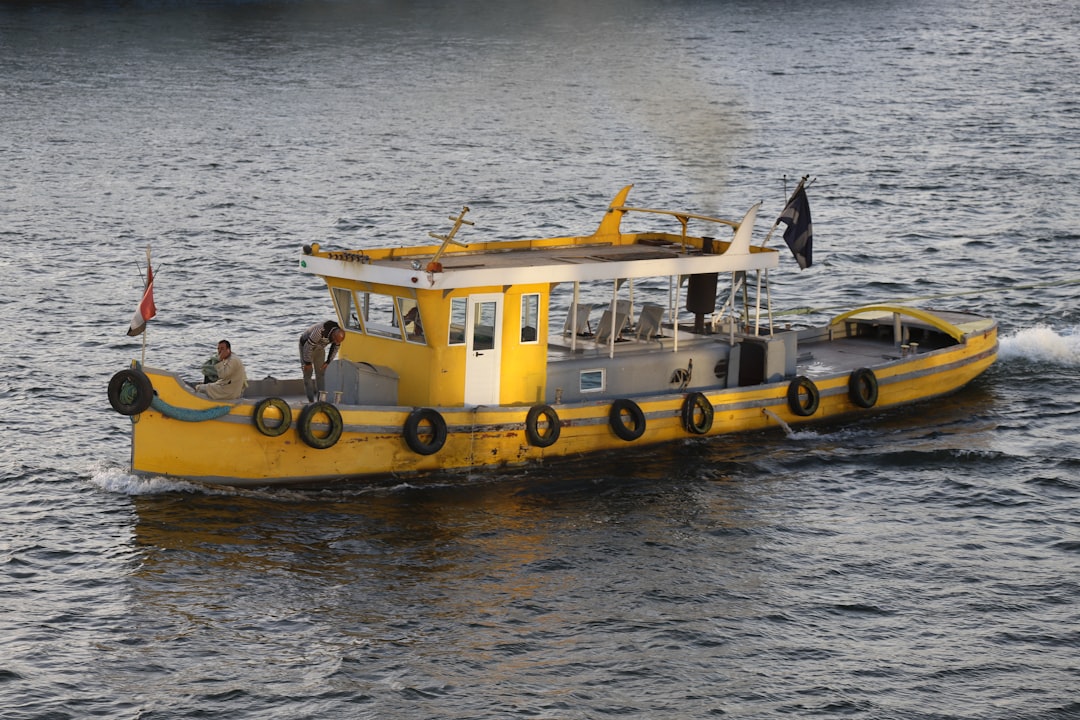
Millions of tourists visit Egypt each year, drawn by its striking pyramids and historic temples, a nation rich in mystery and history. But beyond these well-known sights is a hidden gem mine just waiting to be unearthed. This blog post aims to introduce you to some of Egypt’s lesser-known, yet no less fascinating, travel destinations. We will highlight the little-known treasures that add even more allure to Egypt, from the enchanted temples of Abu Simbel to the mysterious Valley of the Kings, and from the enchanted White Desert to the energetic Alexandria. Ancient Egypt’s lifeblood, the Nile River, was essential to the advancement of the society.
It offered people a source of life, transportation for trade, & fertile land for agriculture. Therefore, it should come as no surprise that a large number of Egypt’s undiscovered treasures are located along the banks of this magnificent river. We will explore the treasures located between Luxor and Aswan in the upcoming section. These places, with their lesser-known temples, tombs, and other historical sites, provide a window into the rich history and culture of ancient Egypt. Get ready to be mesmerized by the mystery and beauty that lie ahead of you. There are many undiscovered jewels located between Luxor and Aswan.
These locations, which are sometimes overshadowed by the more well-known ones, provide a distinctive & personal look into ancient Egypt. The Temple of Karnak, a huge complex of temples, chapels, and pylons devoted to the worship of the god Amun, is one such hidden gem. You can’t help but be in awe of this ancient site’s grandeur as you stroll among its towering columns & finely carved reliefs. The Temple of Edfu, devoted to the falcon-headed god Horus, is another undiscovered treasure.
With its towering hieroglyphic-adorned walls and intricate statues depicting the gods, this well-preserved temple is a testament to the skill and craftsmanship of the ancient Egyptians. There are numerous undiscovered beauties along the Nile, but none are quite as magnificent as the Abu Simbel temples. The temples bear witness to the magnificence and might of ancient Egypt and are situated in the southernmost region of Egypt, close to the Sudanese border. Abu Simbel’s temples, carved into the side of a cliff & dedicated to the gods Amun, Ra-Horakhty, and Ptah, were built by Pharaoh Ramses II in the thirteenth century BC.
Four enormous statues of Ramses II, each rising to a height of more than 20 meters, can be found in the larger temple, The Great Temple. Queen Nefertari, the adored spouse of Ramses II, is honored in the smaller temple, called the Temple of Hathor. It is a genuinely amazing experience to visit the Abu Simbel temples. You can’t help but be in awe of the ancient Egyptians’ talent and commitment as you stand in front of these massive statues.
We reach the Valley of the Kings, a hidden treasure that contains the pharaohs’ secrets, by traveling further north along the Nile. Several pharaohs, notably the well-known Tutankhamun, are buried in this ancient graveyard. There’s no denying the excitement and anticipation you experience as you head down into the valley. An intricate system of rites and ceremonies that accompanied death in ancient Egypt is attested to by the tombs carved out of the rock.
There are numerous lesser-known tombs that are just as fascinating as the well-known Tutankhamun tomb. For instance, the tomb of Ramses III has an amazing representation of the pharaoh’s journey through the underworld, while the tomb of Seti I is renowned for its elaborate wall paintings and fine reliefs. Treasures abound in Egypt’s Western Desert as well, but the Nile River and its environs are the place to find many hidden gems. One such treasure is the White Desert, an unusual and alien terrain that appears to be from another planet. The chalk-white rock formations that .
the landscape, imparting an ethereal and surreal atmosphere, are what give rise to the name “White Desert.”. Shaped and sized like ice cream cones, mushrooms, & even human figures, these formations are the result of millions of years of wind and sand action. It’s like entering a dream when you explore the White Desert. You can’t help but be in amazement and wonder at the beauty of nature as you stroll through this enchanted setting.
We proceed through the Western Desert of Egypt until we reach the Siwa Oasis, a little-known treasure that provides a window into another aspect of the country. The serene and calm Siwa Oasis is in stark contrast to the busy cities & historic ruins. Rich palm groves, glistening springs, & salt lakes are just a few of the oasis’ many natural beauties. Also, it is the location of the 26th Dynasty’s ancient city of Amun’s ruins. The Siwa Oasis is a singular and immersive place to visit. You may unwind and take in the tranquil surroundings, explore the Temple of Amun ruins, or swim in one of the hot springs.
Turning our attention to the Red Sea coast of Egypt, we find the Red Sea Riviera, another undiscovered treasure. Diving and snorkeling enthusiasts will find this stretch of coastline to be a paradise due to its clear waters, colorful coral reefs, and plethora of marine life. The Red Sea Riviera provides a multitude of options for diving and snorkeling, from deep-sea dives where you may spot whales, sharks, and dolphins to shallow reefs brimming with vibrant fish. A more relaxed and genuine experience can be had at some of the lesser-known coastal locations, like Marsa Alam & El Quseir, as opposed to the busier resorts of Hurghada and Sharm El Sheikh.
Returning inland to Upper Egypt, we reach the quaint town of Asyut. Asyut offers a distinctive & genuine look into Egyptian history and culture, even though it isn’t as well-known as Luxor or Aswan. Several historical sites can be found in the town, one of which is the Monastery of the Holy Virgin Mary, which is among the oldest Coptic monasteries in Egypt. The monastery is well-known for both its serene atmosphere & stunning frescoes.
In honor of his beloved Antinous, Hadrian, the Roman Emperor, founded the city of Antinopolis, which can be accessed through Asyut. The remnants, which comprise a theater, a temple, and a necropolis, provide an insight into Egyptian history during the Roman era. We arrive in the energetic city of Alexandria to wrap up our exploration of Egypt’s hidden treasures. Alexandria, which is a multicultural metropolis on the Mediterranean coast, is evidence of Egypt’s long and varied past. Roman-era catacombs & the city’s gorgeous waterfront, which is .ted with eateries, boutiques, and cafes, are two of the city’s most well-known features. A prominent feature of Alexandria is the Bibliotheca Alexandrina, a contemporary library that honors the Library of Alexandria, one of the greatest and most renowned libraries in antiquity.
It’s like taking a trip back in time to Alexandria combined with the energy of a contemporary metropolis. Alexandria provides a singular and remarkable experience, whether you’re wandering around the waterfront, exploring historic catacombs, or enjoying coffee in a neighborhood cafe. We’ve taken you on a tour of Egypt’s hidden treasures in this blog post, highlighting the lesser-known but no less fascinating locations that contribute to Egypt’s exceptional travel experience.
Egypt offers a multitude of treasures just waiting to be found, from the captivating temples of Abu Simbel to the mysterious Valley of the Kings, and from the enchanted White Desert to the energetic city of Alexandria. Explore these undiscovered treasures for yourself, lose yourself in Egypt’s rich history and culture, & feel the amazement and wonder that accompany learning something new. We hope this post will inspire you to go on your own treasure hunt in this amazing country, whether you plan to travel to Egypt or you just want to share it with friends who might be interested.
If you’re a fan of adventure and mystery, you won’t want to miss out on the thrilling murder mystery games offered by Swift Riddle. Their collection of immersive and engaging murder mystery games will transport you to a world of suspense and intrigue. Whether you’re hosting a party or simply looking for a fun activity to enjoy with friends, these games are sure to keep you on the edge of your seat. Check out their website for more information and start unraveling the clues today! (source)
FAQs
What is the article about?
The article is about exploring Egypt’s hidden gems and embarking on a treasure hunt for the Nile’s treasures.
What are some of the hidden gems in Egypt?
Some of the hidden gems in Egypt include the Siwa Oasis, the White Desert, the Red Sea coast, and the Nubian villages.
What is the Siwa Oasis?
The Siwa Oasis is a remote oasis town located in the western desert of Egypt. It is known for its natural springs, ancient ruins, and unique culture.
What is the White Desert?
The White Desert is a national park located in the western desert of Egypt. It is known for its unique rock formations and white sand dunes.
What is the Red Sea coast?
The Red Sea coast is a popular tourist destination in Egypt known for its crystal-clear waters, coral reefs, and diverse marine life.
What are the Nubian villages?
The Nubian villages are a collection of traditional villages located along the Nile River in southern Egypt. They are known for their colorful houses, unique culture, and friendly locals.
What is a treasure hunt for the Nile’s treasures?
A treasure hunt for the Nile’s treasures is a fun and adventurous way to explore Egypt’s hidden gems. It involves visiting different locations and discovering the unique treasures and experiences that each one has to offer.
